


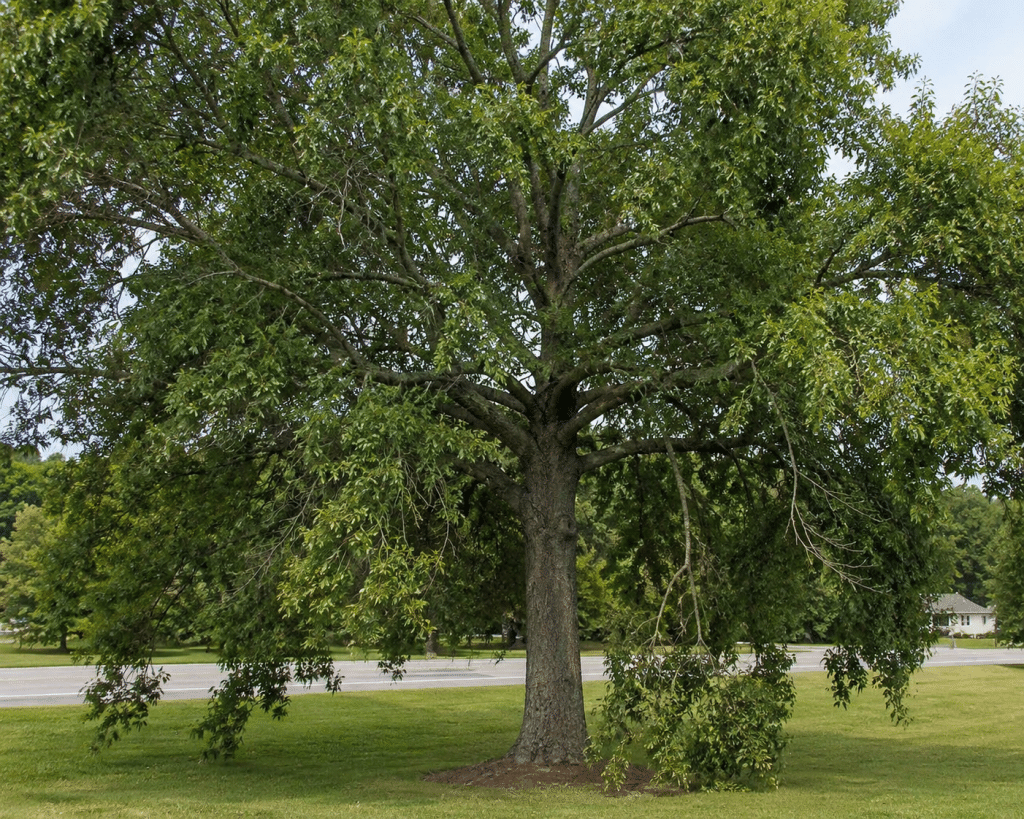
Many homeowners are surprised when a large, healthy-looking tree suddenly drops a branch in the middle of summer.
There may be no storm, no strong wind, and no obvious warning signs. Yet a heavy limb falls into the yard, driveway, or even onto a home.
This phenomenon, often called summer limb drop, is more common than many people realize. While some branch loss can be a tree’s response to environmental stress, it can also signal structural weaknesses or declining tree health.
Understanding why trees shed branches during hot weather can help Birmingham-area homeowners identify potential hazards before they become costly or dangerous.
What Is Summer Limb Drop?
Summer limb drop refers to the unexpected failure of large tree branches during periods of hot weather, often on otherwise healthy-looking trees.
Unlike storm-related damage, summer limb drop typically occurs on calm days when there is little or no wind. The branches involved are often large, mature limbs growing horizontally from the tree’s canopy.
While researchers continue to study the exact causes, arborists generally agree that heat stress, drought conditions, and internal tree defects often play a role.
Why Trees Drop Branches During Hot Weather
Heat Stress and Water Demand
During Alabama summers, trees work hard to move water from their roots to their leaves. When temperatures climb into the 90s and rainfall becomes inconsistent, this process becomes more difficult.
As moisture levels decline, branches can become stressed and less resilient. In some cases, the weight of a large limb combined with heat-related stress may contribute to branch failure.
Drought Stress Weakens Trees
Extended dry periods are particularly challenging for mature trees.
Signs of drought stress may include:
- Wilting or drooping leaves
- Browning leaf edges
- Premature leaf drop
- Thin or sparse canopy growth
- Reduced vigor
Gray’s Tree Services frequently helps homeowners manage drought-related tree stress through deep root fertilization and bio-hydration treatments designed to improve soil conditions and support healthier root systems. Bio-hydration treatments are commonly used to help trees recover from drought stress and soil compaction while improving moisture retention in the root zone.
Excess Weight on Large Limbs
Large horizontal branches naturally carry significant weight. During summer, dense foliage adds even more load to these limbs.
When heat stress combines with structural weaknesses, cracks, decay, or excessive weight, branches may fail unexpectedly.
Tree Species More Prone to Summer Limb Drop
While any tree can lose branches, some species appear more susceptible to summer limb drop than others.
Common examples include:
- Oak trees
- Sycamores
- Tulip poplars
- Beech trees
- Mature maples
In Alabama, large shade trees with broad canopies often experience the greatest stress during prolonged periods of heat and drought.
This doesn’t mean these trees are unhealthy—it simply means regular inspections and maintenance become increasingly important as they mature.
Warning Signs of Hazardous Branches
Not every falling branch is a sign of serious tree problems. However, certain symptoms may indicate a higher risk of failure.
Watch for:
Cracks or Splits
Visible cracks where a branch joins the trunk can signal structural weakness.
Dead or Dying Limbs
Branches without leaves during the growing season may be dead and more likely to fall.
Decay or Cavities
Rotting wood, hollow areas, or fungal growth can weaken branch attachments.
Hanging or Broken Limbs
Partially detached branches should be addressed immediately, especially if they are located over homes, vehicles, walkways, or play areas.
Excessive Lean or Movement
Branches that appear unusually heavy, sagging, or unstable may require professional evaluation.
How Proper Tree Care Reduces Branch Failure
While no tree can be made completely immune to branch loss, proactive care can significantly reduce the likelihood of unexpected failures.
Prune Trees Strategically
Professional pruning removes weak, damaged, or poorly attached branches before they become hazardous.
Proper pruning also improves canopy structure, reduces excess weight, and promotes healthier growth.
Improve Tree Health
Healthy trees are better equipped to tolerate environmental stress.
Practices that support tree health include:
- Deep watering during drought periods
- Mulching around the root zone
- Avoiding soil compaction
- Monitoring for pests and disease
- Maintaining healthy soil conditions
Address Stress Early
Many tree problems begin below ground before symptoms appear in the canopy.
Regular tree health assessments can identify issues related to drought stress, root problems, soil conditions, and pest activity before they lead to branch failure.
When Should You Schedule a Professional Tree Inspection?
A professional inspection is recommended if:
- Large limbs hang over your home or driveway
- You notice cracks, decay, or dead wood
- Branches have fallen recently without a storm
- Your tree appears stressed during hot weather
- The tree is mature and has not been inspected in several years
An experienced arborist can identify structural defects, assess overall tree health, and recommend pruning or treatment options that improve safety while preserving the tree whenever possible.
The Bottom Line
Summer limb drop can happen even when a tree appears healthy from a distance. Alabama’s heat, drought conditions, and seasonal stress can increase the likelihood of branch failure, particularly in mature shade trees.
Paying attention to warning signs and investing in preventative tree care can help reduce risk and protect your property.
If you’re concerned about a tree on your property, a professional evaluation can provide peace of mind and help prevent unexpected damage before it occurs.
Pro Tip
If a mature tree has dropped a large branch during calm weather, don’t assume it was a one-time event. Additional limbs may have similar stress or structural weaknesses and should be inspected promptly.
Schedule a Tree Safety Inspection
Gray’s Tree Service has served Greater Birmingham since 1995 with dependable, expert tree care. From storm response to proactive plant health, our 80+ local pros deliver safe, courteous service.
Ready for a free estimate by one of our certified arborists? Call us today at 205-927-2652 or contact us online.
