


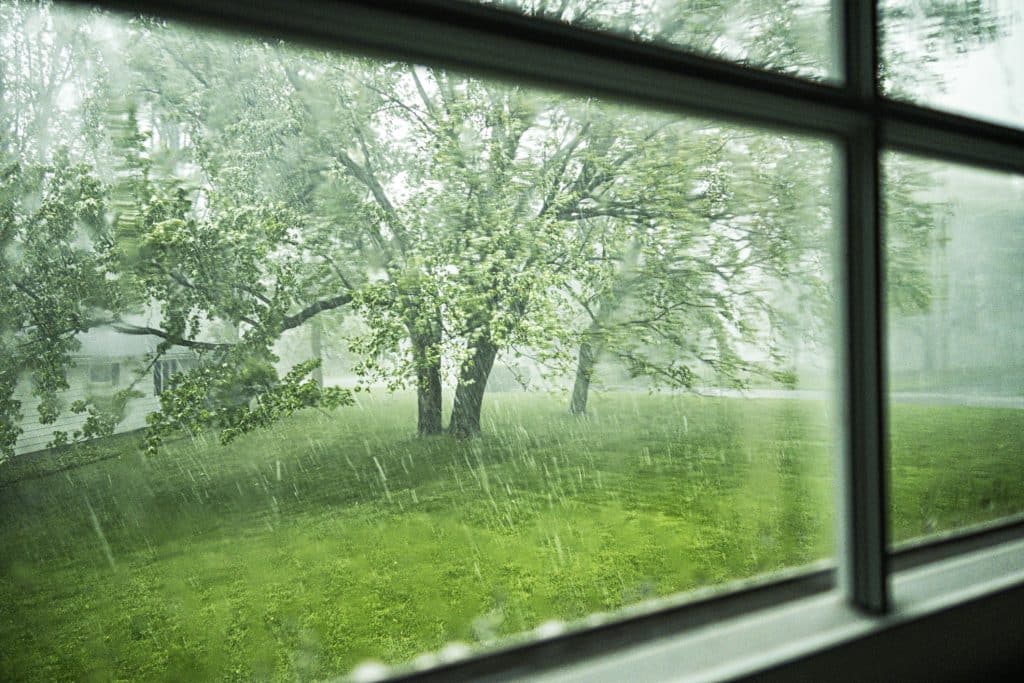
Late summer is one of the most important times of year for tree care in Alabama. While many homeowners are thinking about cooler temperatures and football season, certified arborists are already looking ahead to fall storms.
Strong thunderstorms, high winds, saturated soil, and the occasional tropical system can quickly expose hidden weaknesses in trees. Limbs that survived the summer may not survive the first major storm, especially if the tree has been stressed by months of heat and drought.
The good news is that many storm-related tree failures can be reduced with proactive inspections and maintenance before severe weather arrives.
If you live in Birmingham, Bessemer, or the surrounding communities, here’s what you should know before Alabama’s storm season begins.
Why Late Summer Is the Best Time to Evaluate Tree Risk
Many tree hazards develop slowly throughout the growing season.
By late summer, trees have carried a full canopy of leaves for several months, endured high temperatures, and often experienced periods of drought stress. These conditions can reveal structural problems that weren’t obvious in spring.
Scheduling an inspection now gives homeowners time to:
- Identify hazardous limbs before storms arrive
- Schedule preventative pruning during favorable conditions
- Address declining trees before they become emergencies
- Reduce the likelihood of property damage
Waiting until after a storm often means dealing with fallen trees, blocked driveways, damaged roofs, or emergency removals.
How Summer Stress Makes Trees More Vulnerable
Even healthy-looking trees can become more susceptible to storm damage after a long Alabama summer.
Extended heat places significant demands on a tree’s root system. When rainfall is inconsistent, trees must conserve energy, making it more difficult to compartmentalize decay, support heavy limbs, and recover from previous injuries.
Common sources of summer stress include:
- Extended periods of high heat
- Drought or inconsistent watering
- Soil compaction
- Construction damage
- Previous storm injuries
- Insect activity
- Disease pressure
Stressed trees are often less capable of handling the added force of heavy rain and high winds.
For trees showing drought stress, soil health treatments and bio-hydration programs can help improve root conditions and reduce stress before and after periods of extreme weather. Gray’s Plant Health Care program recommends bio-hydration as both a preventative and curative treatment for drought stress, especially when paired with deep root fertilization for maximum benefit.
Warning Signs Your Tree May Be at Risk
Not every tree needs major work before storm season, but certain warning signs deserve attention.
Dead or Hanging Limbs
Dead branches are among the first parts of a tree to fail during strong winds.
Large dead limbs over:
- Homes
- Driveways
- Play areas
- Decks
- Sidewalks
should be evaluated promptly.
Cracks in Major Limbs or the Trunk
Visible cracks often indicate structural weakness that may worsen under heavy wind loads.
Even small cracks can become significant failure points during storms.
Large Limbs Extending Over Structures
Long, heavy limbs create leverage during high winds.
The farther a branch extends beyond the trunk, the greater the force placed on attachment points during storms.
Leaning Trees
A tree that has recently begun leaning may have root problems or soil instability.
Sudden changes in lean should always be evaluated by a professional.
Decay or Cavities
Internal decay weakens structural integrity, even if the canopy still appears healthy.
Signs include:
- Hollow sections
- Mushrooms growing near the base
- Soft or crumbling wood
- Large cavities
Why Preventative Pruning Matters
Many homeowners assume pruning is primarily for appearance.
In reality, proper structural pruning is one of the most effective ways to reduce storm damage.
Professional pruning can:
- Remove dead or weakened limbs
- Reduce excessive end weight
- Improve canopy structure
- Eliminate rubbing branches
- Reduce the chance of limb failure
Proper pruning also allows wind to move through the canopy more efficiently, reducing stress on major branches during severe weather.
It’s important to avoid excessive or improper pruning. Removing too much foliage or making incorrect cuts can weaken a tree rather than strengthen it.
Trees That Deserve Extra Attention
While every property is different, certain trees deserve closer inspection before storm season.
Pay particular attention to trees that:
- Overhang your roof
- Extend above garages or sheds
- Shade driveways or parking areas
- Grow near power lines
- Sit close to fences
- Lean toward neighboring property
Even healthy trees can cause significant damage if large limbs fail during severe weather.
If you’re unsure whether a tree poses a risk, a professional assessment can help you prioritize which trees require attention now and which simply need monitoring.
Don’t Wait Until After the Storm
Emergency tree work is often more expensive, more dangerous, and harder to schedule following widespread storms.
After severe weather, reputable tree companies experience high call volumes as homeowners deal with fallen trees and hazardous limbs.
Planning ahead offers several advantages:
- More appointment availability
- Time to complete recommended pruning
- Reduced emergency risk
- Greater peace of mind before storm season begins
What Happens During a Professional Tree Inspection?
A professional tree inspection looks beyond what homeowners typically notice from the ground.
An experienced arborist evaluates factors such as:
- Overall tree health
- Structural stability
- Branch attachments
- Deadwood
- Signs of decay
- Root flare condition
- Previous storm damage
- Canopy balance
- Potential targets if failure occurs
The goal isn’t simply identifying trees that need removal. In many cases, preventative pruning, improved soil health, or ongoing monitoring can significantly reduce future risk.
Simple Steps Homeowners Can Take Now
Before Alabama’s fall storms arrive:
- Walk your property and look for dead or damaged limbs.
- Watch for trees leaning more than usual.
- Remove broken branches after summer storms.
- Avoid parking vehicles beneath questionable limbs.
- Water stressed trees during prolonged dry periods.
- Schedule a professional inspection for mature or high-risk trees.
Taking these simple steps now can help reduce the likelihood of costly storm damage later.
Be Ready Before Storm Season Arrives
Alabama’s weather is unpredictable, but your preparation doesn’t have to be.
Late summer provides an excellent opportunity to identify potential hazards, improve tree health, and reduce the risk of emergency situations when severe weather returns.
A proactive inspection today can help protect your home, your family, and your landscape throughout the fall storm season.
Ready for a free, no-pressure estimate?
Gray’s Tree Service has served Greater Birmingham since 1995 with dependable, expert tree care. From storm response to proactive plant health, our 80+ local professionals deliver safe, courteous service.
Call us today at 205-927-2652 or schedule your free estimate by contacting us online.
