


While we are busy raking up the old brown leaves and picking up trash, we often forget that our trees need extra attention to recover from the stress of the cold season. By spending some time on your yard work now, you are making sure your trees can focus all their energy on growing new green leaves instead of fighting off rot or bugs.
Cleaning Up the Wounds and Broken Limbs
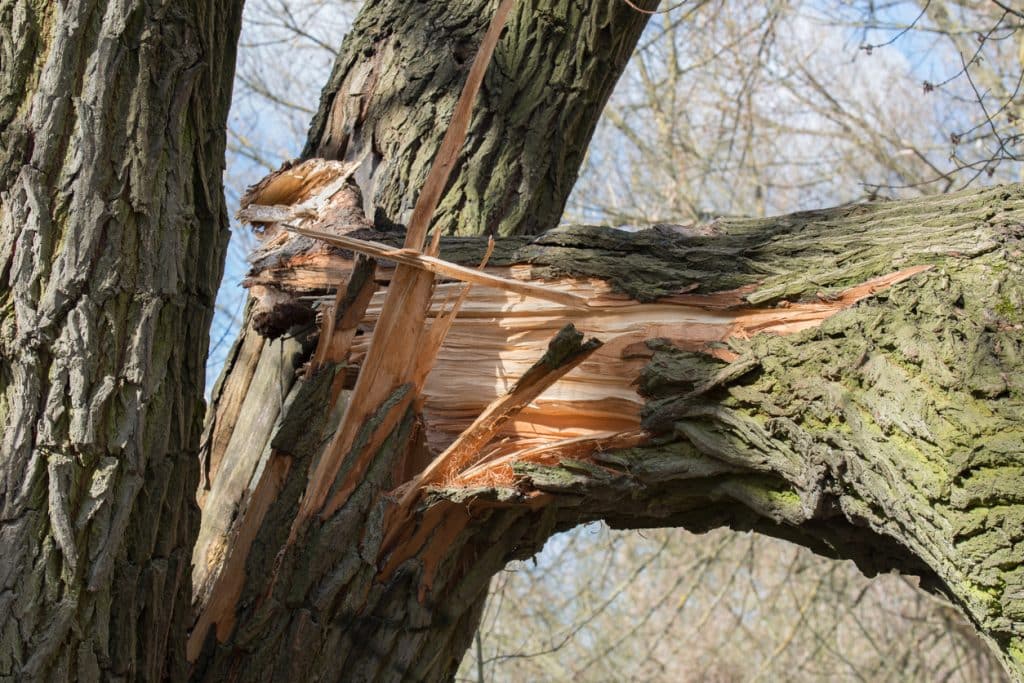
If you look up into the branches after a heavy storm, you might see “hangers.” These are branches that snapped but are still dangling high up in the air. These broken pieces are a huge safety risk for anyone walking below. They can fall and cause serious harm to people, pets, and property. What is more, they can prevent the tree from sealing off its injuries properly. When a branch breaks off in a jagged way during a windstorm, it leaves a rough wound that fungus or disease can easily infect. You can help the tree by making a call to a professional arborist to remove these branches.
Clearing the Base for Better Breathing
During the winter, a lot of debris like mud and thick mats of leaves can accumulate right against the bottom of your trees. This might not seem like a problem. However, that wet pile of gunk acts like a damp towel wrapped around the tree’s feet. If the bark at the base of the tree stays wet for too long, it can start to soften and peel away. This invites wood-boring insects to move in and start making themselves at home. Then, you will have real problems because the tree will lose nutrients and eventually die.
You should use your hands or a light rake to clear out that debris until you can see the flare of the roots where they enter the soil. This spring cleaning allows the bark to dry out and breathe. This is essential for a tree that is already stressed from storm damage.
Feeding the Soil to Support New Growth
Sometimes, winter storms can interfere with soil quality. They can either pack down the soil so tight that water and air cannot get to the roots or wash away the top layer that contains the nutrients. Loosen the soil with a garden fork, and add a 2-inch layer of compost or mulch consisting of woodchips so that the tree can receive adequate moisture and nutrients. Be careful not to pile the mulch high against the trunk like a volcano because doing that causes more rot problems.
Because trees are so strong, it is easy to think of them as being indestructible. But even the tallest tree needs help after enduring the winter elements. Once you finish all your hard work, you can finally sit back and enjoy the view. If you have concerns or require storm damage services, contact Gray’s Tree Service in Birmingham, AL.
