


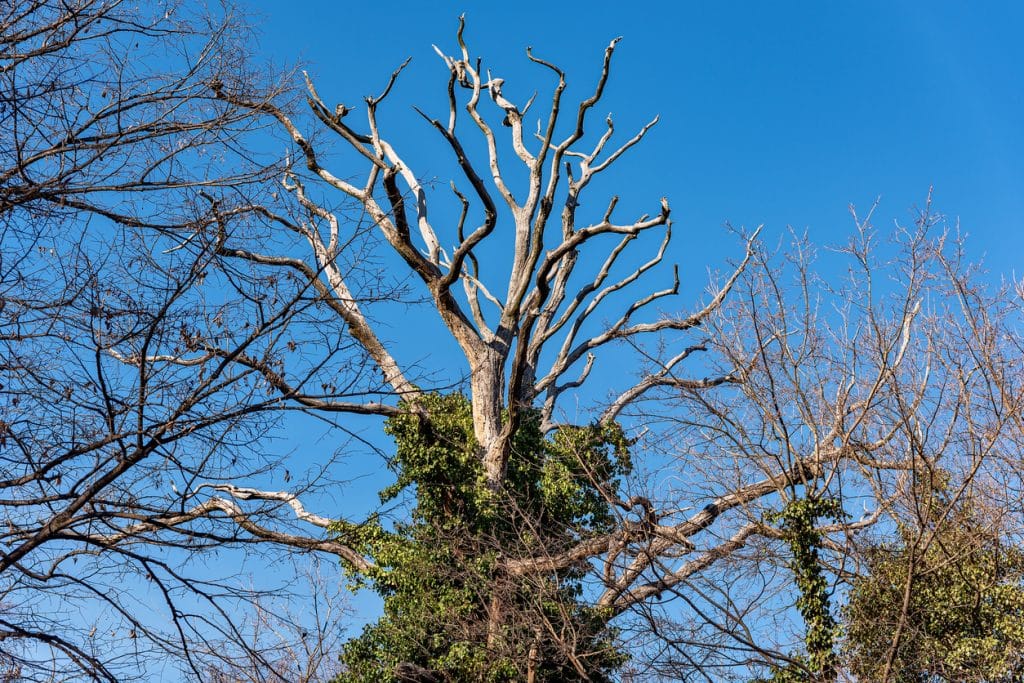
Dry conditions across Birmingham and Bessemer are already starting to take a toll on local trees. While it may not look severe at first, drought stress can quietly weaken trees and lead to long-term damage if it’s not addressed early.
The good news: if you know what to look for, you can take action before the problem gets worse.
What Is Drought Stress in Trees?
Drought stress happens when a tree isn’t getting enough water to support normal growth and function. Even established trees can struggle when rainfall is limited—especially during key growth periods in spring.
Unlike turf or small plants, trees often show delayed symptoms. By the time you notice something is off, the tree may already be under significant stress.
Common Signs of Drought Stress
Keep an eye out for these early warning signs in your yard:
- Wilting or drooping leaves
- Leaf curling or cupping
- Brown, scorched edges on leaves
- Thinning canopy or sparse foliage
- Early leaf drop (especially in spring or early summer)
One key detail: these symptoms can appear unevenly, affecting one side of the tree or specific branches first.
Why Spring Drought Is Especially Tough on Trees
Spring is when trees in Alabama are putting out new leaves, expanding roots, and building energy reserves for the year.
When drought hits during this time:
- New growth is weaker or stunted
- Trees struggle to store enough energy
- Stress carries into summer, increasing risk of decline
This early-season stress can make trees more vulnerable to pests and disease later on.
Which Trees Are Most at Risk in Birmingham & Bessemer
Some trees handle dry conditions better than others. In our area, we often see more drought stress in:
- Newly planted trees (first 1–3 years)
- Dogwoods and Japanese maples
- Red maples and birch trees
- Trees growing in compacted or poor soil
- Trees already dealing with other stress (construction, pests, root damage)
Stressed trees are also more attractive to insects like borers and bark beetles, which target weakened trees.
How to Water Trees the Right Way
Proper watering is the most effective way to help trees recover and stay healthy during drought.
Here’s what we recommend:
Water deeply, not frequently
Aim for slow, deep watering that reaches the root zone (6–12 inches deep), rather than quick surface watering.
Focus on the drip line
Water the area under the outer edges of the canopy—not just at the trunk.
Use a slow method
Soaker hoses or a slow trickle from a garden hose work best.
General guideline:
- Young trees: 2–3 times per week
- Mature trees: every 7–10 days during drought
Time it right
Water early in the morning to reduce evaporation.
When Drought Stress Becomes Serious
If drought conditions continue, stress can escalate into more serious problems:
- Large sections of canopy dying back
- Cracks forming in the soil around roots
- Increased insect activity or disease symptoms
- Branch dieback or brittle limbs
At this stage, the tree may need professional care to recover.
How Professional Tree Care Can Help
When watering alone isn’t enough, targeted treatments can make a big difference.
At Gray’s Tree Service, we use plant health care solutions designed to support stressed trees, including:
Soil health care and deep root support
Improves soil conditions so roots can absorb water more effectively.
Bio-hydration treatments
Help trees recover from drought stress and improve soil structure for better moisture retention.
Preventive care programs
Strengthen trees ahead of peak summer stress to reduce long-term damage.
These treatments are especially helpful for trees in compacted soils or landscapes that struggle to retain moisture.
Pro Tip: Mulch Matters More Than You Think
A simple layer of mulch (2–3 inches deep) around the base of your tree can:
- Retain soil moisture
- Regulate temperature
- Reduce competition from grass
Just be sure to keep mulch a few inches away from the trunk.
Don’t Wait Until It’s Too Late
Drought stress doesn’t always look urgent—but it can lead to lasting damage if ignored. The earlier you act, the better chance your trees have to recover and stay strong through the summer.
Ready for a free, no-pressure estimate? Call us today at 205-927-2652 or schedule by contacting us online.
Gray’s Tree Service has served Greater Birmingham since 1995 with dependable, expert tree care. From storm response to proactive plant health, our 80+ local pros deliver safe, courteous service.
