


Early spring in Birmingham and Bessemer brings fresh green growth, blooming landscapes, and — in many years — cool, wet weather. While those rainy stretches help lawns and gardens wake up, they also create the perfect environment for certain fungal diseases.
One of the most common we see in Greater Birmingham is anthracnose.
If you’ve noticed spotted, curling, or prematurely dropping leaves in March or April, your trees may be dealing with this early-season disease. Catching it early makes a big difference in protecting long-term tree health.
What Is Anthracnose and Why Is It Common in Alabama?
Anthracnose is a fungal disease that affects many common shade trees across Alabama. It thrives in cool, wet spring conditions — exactly the kind of weather we often experience as trees begin to leaf out.
This disease primarily affects newly emerging leaves and tender growth. When repeated year after year, anthracnose can weaken trees, reduce vigor, and increase vulnerability to drought and insect pressure later in the season.
Preventative treatment is most effective when it begins at bud break and continues at 2–3 week intervals while conditions remain favorable for infection. That early timing is critical.
Early Spring Signs of Anthracnose to Watch For
Anthracnose symptoms often appear just as trees are leafing out. In Birmingham, that typically means March through April.
Here’s what homeowners should look for:
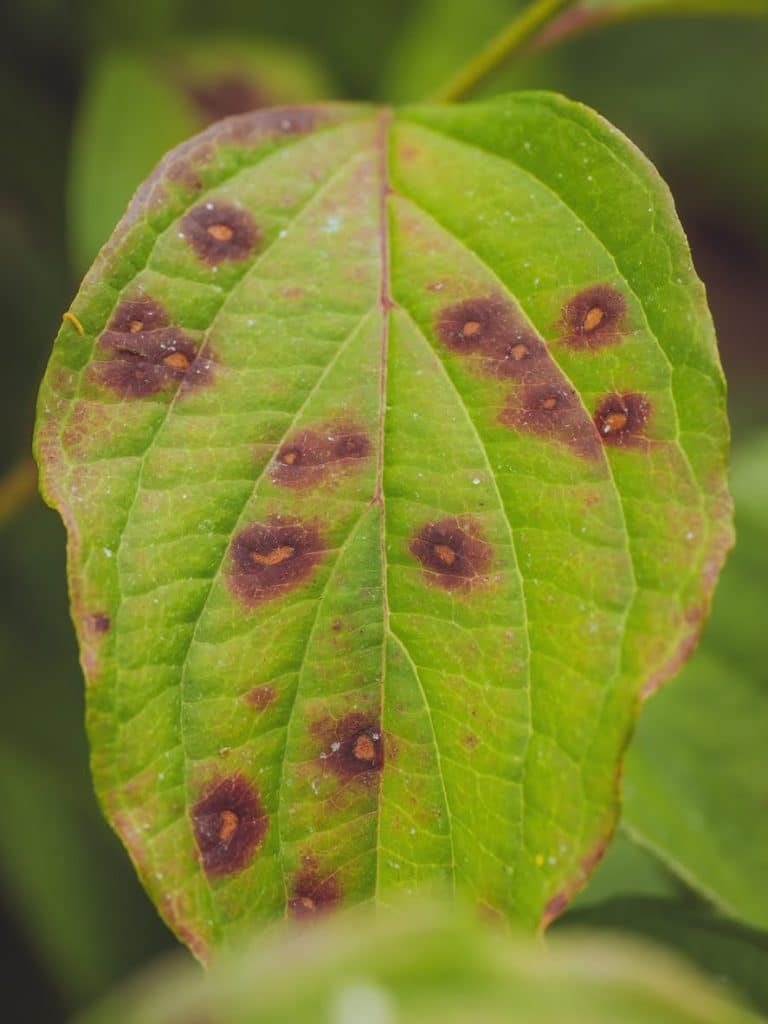
- Large tannish-brown irregular lesions on leaves
- Discoloration along leaf margins and veins
- Twisted or wrinkled new leaves
- Early leaf drop, especially from the lower canopy
Severe infections can cause noticeable thinning before summer even begins.
Because symptoms can resemble drought stress or other leaf spot diseases, proper diagnosis is important before treatment begins.
Which Alabama Trees Are Most at Risk?
In our service area, anthracnose commonly affects:
- Sycamore
- Oak
- Maple
- Tulip Poplar
- Dogwood
Sycamores are especially prone to dramatic leaf spotting and early defoliation in wet springs. Trees that have experienced repeated infections in past years are typically more vulnerable.
If your property has mature shade trees that struggled last spring, early inspection this year is wise.
Why Early Treatment Matters
Anthracnose is far easier to manage proactively than reactively.
Fungicide treatments are most effective at bud break and during early leaf expansion. Applications are typically repeated every 2–3 weeks while wet conditions persist.
Waiting until leaves are heavily damaged reduces treatment effectiveness. By then, the fungus had already spread.
In addition to disease treatment, improving overall tree resilience through soil health care and proper pruning can reduce severity in future seasons.
Can Homeowners Treat Anthracnose Themselves?
For small ornamental trees, limited treatment may be possible. However, most mature shade trees in Birmingham neighborhoods are too large for safe, effective DIY spraying.
Proper timing, coverage, and product selection matter. Misdiagnosis is also common, and applying the wrong product at the wrong time can waste effort and money.
Professional evaluation ensures you’re addressing the correct issue and protecting the tree safely.
How Gray’s Tree Services Protects Birmingham Trees
At Gray’s Tree Service, we take a proactive plant health care approach.
When you schedule an evaluation, we:
- Inspect your trees for early disease symptoms
- Confirm accurate diagnosis
- Develop a targeted treatment plan
- Monitor conditions through the spring season
Anthracnose prevention and reduction treatments are typically repeated annually in susceptible trees. Over time, a consistent strategy can significantly reduce stress and preserve canopy density.
Our team of local professionals has served Greater Birmingham since 1995, delivering safe, courteous, expert tree care across Bessemer, Birmingham, and surrounding communities.
Pro Tip
If your tree drops leaves early in April but appears to “recover” later, don’t ignore it. Repeated defoliation year after year weakens overall health and makes trees more vulnerable to summer drought and insect damage.
Early action protects long-term structure and vitality.
Schedule Your Spring Tree Health Evaluation
Alabama’s spring weather can be unpredictable, but your tree care plan shouldn’t be.
If you’re noticing leaf spots, curling leaves, or early leaf drop, now is the time for a professional evaluation before conditions worsen.
Ready for a free, no-pressure estimate? Call us today at 205-927-2652 or contact us online.
Gray’s Tree Service has served Greater Birmingham since 1995 with dependable, expert tree care. From storm response to proactive plant health, our local pros deliver safe, courteous tree service.
